Featured
Table of Contents
These benefits include an enhanced designer experience, greater technical flexibility, smooth system interoperability, and the ability to capitalize on emerging chances. API-first isn't a one-size-fits-all solution. Organizations that embrace a tactical approach to APIs might not completely take advantage of its benefits. Organizations already embracing design-led API principles are well-positioned to shift to API-first, especially if APIs are deeply incorporated into their operations.
An API-first strategy is ideal for microservices architectures due to the fact that it makes sure application communities start as modular and recyclable systems. By stressing APIs early on, the structure of API requests and information are highlighted. This enables the API to provide what developers require most and prevents spending developer time on functions that later on end up being undesirable.
For business, APIfirst frequently suggests faster time to market since it's much easier to upgrade and alter backend services. In addition to increased production speed, taking an APIfirst approach likewise produces stronger software application. Developers can focus on style, as teams don't need to start from scratch and can recycle their APIs and code across tasks.
Why Next-Gen Frameworks Boost Visibility for Performance
API-first models likewise streamline API governance, supplying more control and observability to operations groups by default. Having greater control and presence into the API allows teams to see both the API's present state and future potential. APIs are typically open, which provides great ability, however it likewise implies any developer can access the API.
Centrally defining API security policies, and embedding that security across the entire API lifecycle, is required when producing a successful APIfirst model. And, with a securityfocused state of mind, an APIfirst model can have an even stronger security boundary than previous, codefocused models. You can discover more about the value of ensuring your APIfirst strategy does not become a securitylast vulnerability in the F5 blog site Dish for Disaster: APIfirst with Securitylast Techniques.
With API Connection Manager, infrastructure groups can release highperformance API gateways and designer portals. And designers can quickly publish and handle APIs and paperwork or discover and onboard APIs into applications.
Merging AI With Web Principles for 2026
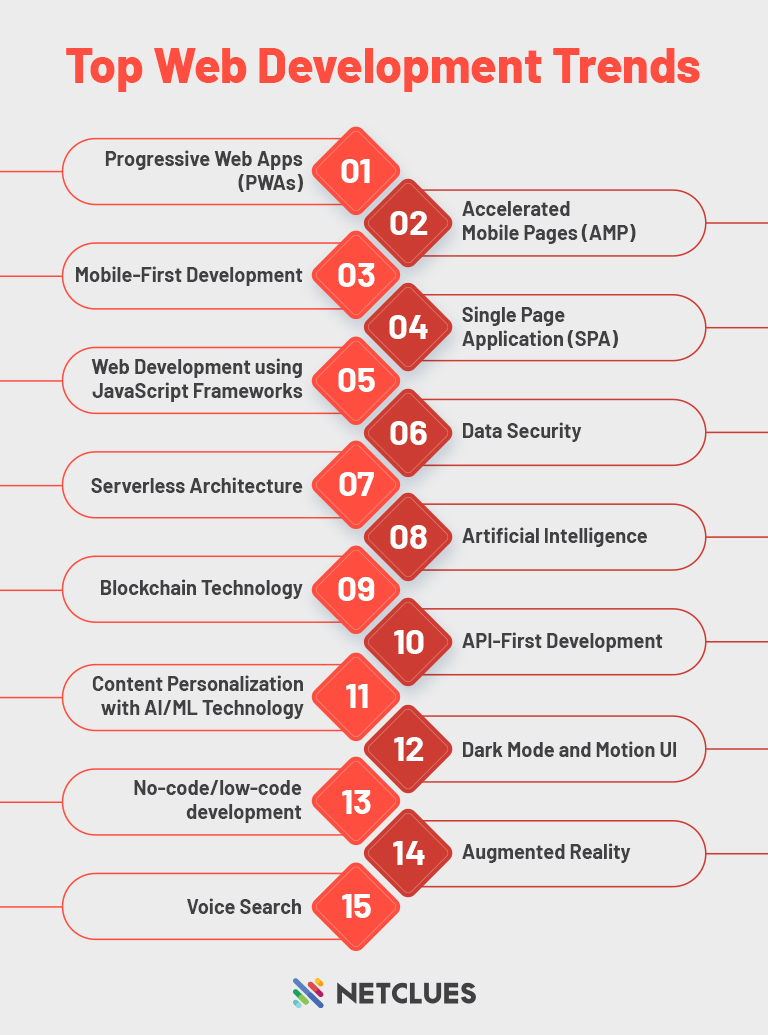
By Janet Wagner Web APIs have been around for nearly twenty years, but it is only in the previous couple of years that the idea of "API first" has gotten traction with software groups. The number of designers taking an API-first method to building items is increasing. Today we thought we would present you to the concept of API initially and why this method is growing in prominence.
An API-first method involves developing APIs that are constant and multiple-use, which can be achieved by utilizing an API description language to establish an agreement for how the API is supposed to act. Developing an agreement involves spending more time thinking of the style of an API. It likewise often involves extra planning and cooperation with the stakeholders supplying feedback on the design of an API before any code is composed.
People consume information through applications, frequently from many different devices smart devices, laptops, tablets, and desktops. Organizations should develop apps that look great and work well across all devices.
An API-first technique permits organizations to construct APIs that serve all applications, and applications can be established and kept efficiently for all devices, platforms, and running systems. An API-first method to structure products offers lots of advantages, including however not limited to: API initially includes developing a contract. Producing an agreement between services that is followed by groups throughout an organization enables those groups to work on numerous APIs at the same time.
Scaling Your Digital Stack With 2026 Frameworks
Groups can mock APIs and test API dependencies based on the recognized API meaning. APIs and code can be reused on lots of various jobs.
Tools like SwaggerHub permit import of API definition files, and with those files API tools such as API documentation, SDKs, and mock APIs can be auto-generated. Automation significantly speeds up the development of APIs and applications. API initially also makes it possible to include brand-new services and innovations to applications without having to re-architect the whole system.
Consumers of APIs are most often developers, and developer experience (DX) can make or break the success of an API. API initially ensures that developers have favorable experiences utilizing your APIs.
API initially minimizes the danger of failure by guaranteeing that APIs are dependable, consistent, and easy for developers to use. Now that you know some of the advantages of an API-first approach to product advancement, how should you set about preparing and executing an API-first technique? Here are simply a couple of things that must belong to your API-first plan.
How Better CMS Methods Drive Online Impact
Figure out the kinds of APIs that need to be developed and which services must be provided through APIs. Figure out and write down the use cases for each API.
Why Cybersecurity-First Is the Only Approach for Local CompaniesStakeholders can then settle on interactions throughout the organization so that APIs stay consistent. The contract develops a set of requirements and finest practices for developing APIs. Make sure to describe and document all APIs. Guarantee that all APIs work the exact same, from endpoint names and URLs to error codes and versioning.

Latest Posts
How API-First Architecture Benefits Modern Enterprises
Steps to Creating Future-Proof SEO Results
How to Scale Web Architectures for 2026